Are You Thinking About Retirement? - E101


Retirement isn’t just about 401(k)s and Social Security. It’s also about your identity, your routines, your relationship, and that strange feeling of waking up with nowhere to be.
In this episode, Rick and Clancy sit down with retirement coach Wendy Leggett to talk about the non-financial side of retirement: what makes it hard, what makes it meaningful, and how to approach it with curiosity instead of fear. Wendy shares thoughtful advice for individuals and couples navigating this transition.
Whether you’re five years out or already a few months in, this one’s packed with real, useful insight.
🧭 Learn more about Wendy’s coaching work: https://confluxretirementcoaching.com/
👋 Join the conversation in our Facebook group: https://www.facebook.com/groups/theloudquiet
📬 Want more like this? Get new episodes and extras in your inbox: https://theloudquiet.kit.com/signup
🎧 Find all episodes, podcast apps, and YouTube links here: https://www.theloudquiet.com
CHAPTERS
0:00 Intro
1:11 What does a retirement coach do?
2:41 Why retirement can be a struggle
5:10 Identity shifts after work
7:09 How to thrive in retirement
8:44 Transition vs. change
11:26 When couples have different visions
14:44 Respecting the stay-at-home spouse’s role
18:39 Feeling like a stranger in your own home
20:09 Are you really ready to retire?
22:10 When to talk to a retirement coach
24:39 Wendy’s 8-session coaching process
26:13 Free coaching session + workbook offer
27:43 Final thoughts and thank you
✅ Want to be a guest on The Loud Quiet – Empty Nest Living? Send Rick and Clancy Denton a message on PodMatch: https://www.podmatch.com/hostdetailpreview/theloudquiethost
Disclaimer: This podcast is for informational and entertainment purposes only. The views and opinions expressed are those of the hosts and guests and should not be taken as legal, financial, or professional advice. Always consult with a qualified attorney, financial advisor, or other professional regarding your specific situation.
Clancy Denton 0:00
On this week's episode of the loud quiet, are you thinking about retirement? Hey guys, welcome back to another episode of the loud quiet. We have a great topic for y'all today. Many of us are probably thinking about or dreaming about retirement, and you know, we probably have some questions. When's the right time? How do I start? What do I expect?
Rick Denton 0:24
And what's great about that is today, we've got Wendy Leggett here to answer those questions. Wendy is a professional certified coach and owner of conflux retirement coaching, specializing in non financial retirement life planning. Now pay attention to that. It's the non financial element of retirement planning. Wendy holds advanced credentials from the retirement project, retirement life plan and positive intelligence, and also co authored the book The retirement collective. And stick around at the end of the episode, Wendy's got something special for the loud quiet listener. Wendy, welcome to the loud quiet.
Wendy Leggett 1:05
Thanks. It's great to be here. I so enjoyed listening to your show, and I'm looking forward to a great conversation.
Clancy Denton 1:11
We're so excited to have you because we know this is a topic that a lot of us equate empty dusting with retirement, but that's not always the case, but I know several of us, and some of us are already in that stage of thinking about it, or are already there when we think about it. Most of us think about the financial aspect, but you're a retirement coach, so explain to us what that entails.
Wendy Leggett 1:38
Yeah, thank you for that. So I kind of liken it that idea that, and you went through this empty nesters do when their children are going to college, and so you look at the college, and of course, you have to be able to finance it, but there's so much more that that child is going to be looking at, or that individual is going to be looking at they're going to look at, you know, The campus, the setting, the vibe the course of study, that just so many different factors that go far beyond the financial and I kind of like to parallel that to other life stages that we've gone through. Like you think about buying a home. Yes, you have to be able to afford it, but you also want to find a home that's in a community that feels good to you, and that it's not just a house, it's a home. It has it has a layout that works for you. And so it's the same with with retirement life planning. Yes, financials are critically important. They're foundational. And at the same time, we bring our whole selves into that experience. And so we want to look at that full picture.
Clancy Denton 2:41
And how did you decide to become a retirement coach? What led you to that path?
Wendy Leggett 2:46
My background is in sales leadership, so I was in corporate for quite the bulk of my career, and when I decided to go out on my own and take that love of connection and that love of elevating someone's experience, because I did that with my team members, and loved the connection with clients. I started as a business coach, but very quickly started to see that. First of all, it was a little more transactional for me rather than transformational, because I was dealing more with the strategies and how do you make your numbers, etc. But more than that, I was seeing that in my demographic, because I am in the baby boomer generation, that there was a struggle around retirement. And I saw that in some my clients as well, and I was shocked. It's like, like you're mentioning at the beginning, you know that we dream about retirement, so how can it be a struggle? And yet, there it is a struggle, and in studies, that one in three struggle in retirement. And it's like, how can that be? It's almost like an oxymoron. But the reality is that when people aren't really aware of that next chapter that they're going into, there can be a lot of things that really keep them stuck, keep them overwhelmed, keep them feeling uncertain or off their game, destabilized. And so I started investigating that, and then found out, oh my gosh, there's this whole world around retirement life planning and the support that we can give to people. There's so much more for people to contribute when they leave career. And oftentimes people think of it as a destination, or they think of it as a winding down. But in fact, it can be a gearing up for a really unique and incredible opportunity, but there's a struggle for many and so yeah, that's what I do.
Rick Denton 4:33
I want to key off of what you said there, that there's a lot of opportunity that's there and my words, but it's it's also this kind of disruption. It's a disconnect. Suddenly, it's a different stage, and most of our listeners are empty nesters. Some are getting used to that phase of life. Some are very stably in that phase of life, but aren't necessarily in that retirement phase. Right? Would you talk about that identity shift? That that has to take place when someone's moving from empty nest, but working and getting closer to that and even entering into that retirement phase of life.
Wendy Leggett 5:10
Yes, you know, there's so many parallels, and that's why I was so excited to speak with you all, because I almost think of becoming an empty nester as a training ground, if we're really grateful about it for retirement, because so many of the things that you've cited, and I just listened to your greatest hits, you know, like what your third episode, I think, and so many of the things that you mentioned really do parallel what we go through as an empty nester and what we go through as we embark upon retirement, so that that shift in identity we can speak to, that that as a parent, your shift then is you've been that, that caretaker you know, up close and personal, and now supporter of your children, but in a very different role, and now they've moved on to to school or to work. And so that shifting role that's external. And so allowing ourselves to let go of that and see, okay, what's my new role? What's How am I going to best support my children and let them continue to soar? And so it's the same with retirement. It's like you're changing that role. You're no longer in career. So what do you need to let go of and still recognize that you as a person, just like an empty nester, the essence of you, who you are, at your core, never changes, but that external changes. And so recognizing that that you are still who you are, you're able to now explore it in different ways, or you're able to show it to the world in different ways, but still recognizing that there is that
Clancy Denton 6:48
shift, yeah, and you know, that kind of goes into the next thing that I wanted to ask you is, you know, sometimes with the empty nest, it has a negative connotation. You know, we in our podcast, try to make it more for people to thrive in the emptiness. So what are some tips that you could give people about thriving in that retirement phase?
Wendy Leggett 7:09
Yes, well, I think understanding that there can be a struggle and that you've shared that with your your listeners as well, because that can be a rude awakening for some if they don't come in with that awareness. I had one client who was just despondent about the idea of retiring, which, again, for so many people, would be what, what's going on. And I think that's how her family and friends felt, because she was really when she came to me, she said, I feel like a part of me is dying inside. I mean, it was that profound. And so just normalizing it for her to say, you're not alone, you know you're not that outlier. You didn't miss that day in school, or they explained what, how to prepare for retirement that alone. And I think maybe for those that move into the empty nester, you're also helping them see that, yes, there can be a struggle. There can be these deep emotions. There can be, you know, these questions of, who do? Who am I now, if I'm not this parent that has my children in my home and so very similar to them, that retirement experience, from that standpoint,
Rick Denton 8:15
you're describing this transition, the identity shift that we talked about and how one can thrive and accepting the emotions of it. Well, in an emptiness couple, there's, there's two people involved here, yeah. And so what about the scenario? How are you helping clients and just people that you interact with, where one spouse is like, Yep, that's it. I'm ready to retire. Off I go, and the other spouse kind of hesitant about that stage of life,
Wendy Leggett 8:44
sure, if I can, I'd like to circle back to that word transition, because that's so pivotal. It's very foundational. I've done a lot of work around navigating transitions, and I think it's a very overlooked and underutilized opportunity for us, because oftentimes people think change and transition are synonymous. There's prolific work by William Bridges around the three phases that a transition starts with the ending and then moves into what's called the neutral zone, or the messy middle, and then the new beginning. And it's not linear, but it does have those three phases. And so often, as an moving into that empty nester, moving into retirement, we jump right into the new beginning. So for some, when their children leave the home, then they turn their bedroom into a gym, let's say, or, or they, you know, or you all have spoken before about routine and structure, they throw that all out the window. And so that all of those things can be very positive, or they can be destabilizing. And so instead, if we can sit in that place of that ending and think, you know, what do I need to let go of and what, how am I feeling about this? And I think Clancy, you had mentioned that when the. Your child left for school, that you were sitting in those feelings for a little bit. Oftentimes we get so uncomfortable with those feelings that we just fill the dance card and we get busy, busy, and yet it still stays like the iceberg, you know? It stays under the surface. And those feelings can then mask some some things that just need addressing, you know, and whether we feel good or bad about things, emotions are just signals that something needs more attention. So I want to raise that up, that we start with the ending, and we really recognize what do I need to let go of, and those rituals of sending someone off to school or or putting together a scrapbook, or whatever those things are to kind of have a little bit of closure to that chapter of life, and then this messy middle concept is the reflecting time and the allowing for difficult emotions that I know as an when I went through empty nesting, there were a lot of them, and I was, again, really surprised or not prepared for them. I wish I'd known about your podcast then running at that time, and then the new beginning. So then, during that, that reflection time, we start to really formulate, okay, what do I see for myself next, and how do I feel about that? And not just what am I going to do in retirement, but how do I want to feel and what matters to me? And that leads into things like values and purpose and connection, all the different things that I work with clients around.
Rick Denton 11:26
I like that, and I like the setting the stage of that, because the whole time you're saying that, I'm thinking, good, now, what if one person is one way and the the spouse is feeling another way? And so in that transition, how do you handle that? What's the what's the wisdom there?
Wendy Leggett 11:40
Yes, well, and and such a valid point, because studies tell us, and this is a generalization, that men and women look at retirement very differently. Men look at it as a time of rest and relaxation, and women look at it as a time of rejuvenation and reimagination. And so again, these are generalizations, and we're all on different parts of the spectrum, but I think what it does say to us is that we can't just assume that we're walking the same path or that we have the same vision. And so to answer your question, it's really key to communicate. It's really key to get some clarity around. Okay, what do I envision? And then share that and be open to hearing what our significant other is envisioning as well, because without that communication, there unspoken expectations, there are assumptions, and we can start to get very disconnected, and unfortunately, we see a rise in divorce in that demographic. They're called Silver splitters, I think. But yes, and so we don't want to fall into into that category. And the way to do it, at least in part to help, is to have that communication. So when somebody is planning to retire, really sharing, you know, what do I envision, or what am I hoping for? And then having that response back, I work with couples, and we have a really great couples conversation, kind of little assessment. They go through, they answer the questions individually, and then come together, and it raises up, okay, you were thinking that, and I was thinking this, and so it's important that we do have those conversations, and
Rick Denton 13:21
that can be, I know that even in the empty nest we've had it would, I could see this being a blend in the kind of empty nest retirement sort of conversations where I'll talk about, I'd love to live in Tuscany for six months, or something like that. And you claim to have said, Look, I'm not gonna, I don't I love to go there, but I'm not gonna plop down somewhere. And so exactly those kind of things, of having those conversations. And yes, I still would like to spend six months in Tuscany,
Wendy Leggett 13:47
but well, and you bring up a good point too, that it's important to kind of look, what do we share? You know, when do we when are we having time together? And what do we want to do separately? And then bring those experiences back to the relationship. So it and every relationship is different. You know how much time people spend together is is very individual, but at the same time again, recognizing that we don't have to be doing everything together, we're now more in one another space than we've been forever, really, and so, so it's important to recognize that too. I had one client that her husband had already retired, and when she retired, she'd been in a very high powered job on the go all the time. She started managing him, you know, wondering what he was doing and and it was just a non starter. So it was important to kind of roll that back a little bit and understand, okay, that's that's not, that's not going to work.
Clancy Denton 14:44
And when you're so, when you've been working with couples, what about the scenario when one cup, one part of the couple has been the stay at home person, and now this person is, you know, in their space all the time. You know, they manage the home. Home, and now this person is here. How? How can couples navigate that process?
Wendy Leggett 15:05
Well, I think first, by honoring that The Stay At Home individual, that is their space, that was their domain, they that was their job. And so when, when the retiring spouse is coming into that space, like really understanding and talking through okay, what's retirement mean for me as a stay at home? Because I think that's overlooked, and often times it's like, I remember my mom even saying that my dad had retired, but she hadn't, because she still was looked at to have all that same responsibility. So there needs to be some renegotiation, possibly, you know, again, every every relationship is different, but, but it is important to not just make those assumptions and that you're you are coming into someone's space where they've had it and so respecting that and talking through that. What What thoughts come up for you around that Clancy
Clancy Denton 16:02
I, you know, because I was the stay at home mom for a long time, I went back to a part time working gig when, you know,
Clancy Denton 16:13
they went to school. But yes, I, you know, this is my space. And when he decided, and we decided to start working together. It was hard for me that okay, now someone is always in the house with me, and you know, we've made it work, but because we have good communication around it, I'd like to ask my mom that question, because she was a stay at home mom. And so I'd like to ask her how it was when my dad retired, because my dad retired pretty young, at 59 and so I'd like to ask her that question, how that transition was for her, with him being back, you know, and now they're 80, they've obviously made it work, but, but that'd be interesting to go back and ask her how that was for her when he was there all the time in her space.
Wendy Leggett 17:07
Yeah, well, and you bring up a good point too, is that we look at our parents, and that was a different time as well. And so traditionally, it may be that your mom was able to voice it, and then again, maybe it was that, hey, that's just how it is, or anything in between. But what's come on the scene for us is this concept about raising up the emotions or how we're feeling, or more equity potentially, in a relationship so many different things. And so our parents retirement and our retirement, we may have a lot of different expectations or want more, or know that there's more, or view that. Gosh, we have 2030, more years of life after retirement, which is a very different landscape than it was for some and lovely to hear that your parents are doing well. And
Rick Denton 17:57
Wendy, I'd like to ask you almost the mirror image of that, and it's we're talking about, you know, the person who's coming into the stay at home, spouses domain, yes, and being sensitive that and understanding that's their domain. What about kind of the mirror image of that, though, that the person that's coming in might feel like a stranger in their own home, and almost, how do you address sort of routine exactly they feel like they're the ones that are the disruptor, but they're like, but this is where I live. What about that spouse, the one that's coming into the stay at home?
Wendy Leggett 18:39
Yeah, I love that question. And what comes up for me is that idea of curiosity, you know, and so, again, not making assumptions, but just really kind of being that person to kind of watch, okay, this was the rhythm. This is how I this is how I stay at home, individual, run my office, and so, and then negotiating, that's kind of a harsh term, but, you know, communicating and talking about, okay, this is how it was. You know, I've been doing these different chores. I'm very happy to give up, you know, abdicate some of those chores or or this is how the rhythm to my day. And so then, yes, to your point that now somebody's viewing how you've been going about your day, and so there can be a little friction there as well. So just, I think the curiosity piece as well as the communication are really key.
Rick Denton 19:30
I like that because we hear communication, and almost in any relationship, discussion, any theme, you hear communication, I don't hear the word curiosity as much, and I think that's an important theme that you brought here, is is a key element of communication is being curious, especially if you're coming into air. Quote here, you know a foreign environment going into what was once the stay at home domain. Well, let's talk about that just kind of in general. How does one know that they're ready to retire? I. Understand the financial component. We'll save that for the financial planners. But how does one know that this is the phase of life that I'm ready to transition into?
Wendy Leggett 20:09
Yeah, it can come for a lot of different reasons. Sometimes the work that we do, it's understood that at a certain set point, that certain age, then you're going to be retired. So it's kind of imposed, or it can be that you're displaced unfortunately, and so that those kind of situations are out of our control, but yet we want to seize what can we control? But in any of those events, it's really having that vision of what's next and what's possible and what would light you up. And so we're not really talking about retiring from something because that's moving away from something. What do we want to move toward? So what do we want to retire to? And what do we want to retire with? And I think so often people don't anticipate that by preparing and envisioning and thinking it through ahead of time, having a runway to retirement, that it makes that transition, that ending and then moving into the new beginning, that messy middle piece, it makes it a lot smoother, because we've already started to take those little steps. So it's not that one day you're in and the next day you're out. And so I think that that's, I know that that's very beneficial for people to really recognize what, what do I want to move into next? What have, What has my work not given me the time or the bandwidth or the energy, um, that I'd like to explore? But so often people don't retire, even though they can financially afford to retire, because they don't have a vision, and so they hold on to what's comfortable for them, not recognizing that there are other piece parts of life that maybe are getting short shrift, or other areas in their life that could enjoy an exploration.
Clancy Denton 21:54
I didn't know a retirement coach was a thing until we met you and started talking with you. So when would be the timing? I'm sure it would be not before, you know, oh, I'm going to retire next week. So what would be the timing to seek out the help of a retirement coach?
Wendy Leggett 22:10
Yeah, it's kind of a Goldilocks thing, that it's never too early, it's never too late. You know, whenever, whenever we're feeling that struggle or or not just having the obstacles, but also the opportunities and not knowing how we can step into them, the sweet spot is one to three years before we retire. That's the sweet spot, and that's because it gives us this runway to retirement. It gives us this chance to start to put a toe in and experiment and try things out and change, start to change our rhythm a little. So it's that idea of so often people think, Oh, I don't have any hobbies, or I lost connections with people, or any number of things that can really be supportive of us in our retirement experience, that runway lets us start to reconnect with with people that have been in our lives, or start to try out some things that might be of interest to us, but putting a toe in and continue with that curiosity, rather than a full on commitment that oftentimes people jump right into in retirement. And so if someone owns a business, then having a little bit longer, I tend to find four to five years is best, because it allows for that transition to, you know, be a little more organic, and allows you to have that succession plan in place, and that, again, that runway, but that one to three years. But I work with people who, you know, a month before they retire, six months after they retire, one gentleman, 15 years after he retired, and anything in between, because it's really more about meeting someone where they are and really then supporting them and moving forward in a way that maybe they're not even clear about the vision yet, and that's my job, but not from a standpoint of doing. It's not like I give a list of things to do. It's really the mindset and it's really the opportunity to reflect on what's meaningful to me, what matters to me. Man,
Rick Denton 24:11
I'm sitting here, kind of my synapses are having a little bit of a freeze, because I've learned so much just in this conversation. I'm still thinking about the curiosity element that you described. I'm thinking about the Don't, don't necessarily run from your career, run towards retirement. Have something to go towards. What does it look like to work with a retirement coach, and how can folks find out more about working with you?
Wendy Leggett 24:39
Well, I have what I call my signature program, and it's an eight session program. It covers we start off with, how do you define retirement, and really looking at, what do you envision? So we kind of can surface where we're at, because again, I meet people where they stand, and then the different elements of that program include. And really surfacing our values, because we know when our values are connected with our actions, then we're more committed and it's more aligned for us. And talking about what feels purposeful, so often people think, Oh, I have to find purpose. And it's like, what is that? Even, you know, it gets overwhelming for people. So recognizing, as Richard Leiter talks about, purpose can be with a capital P, it can be starting a non profit or starting a business, or it can be a lower case p, helping a neighbor, reading a great book, volunteering on a small scale. And also this idea that purpose isn't a one and done, it's really a verb, feeling purposeful, finding those things that feel meaningful, as opposed to static. And this big thing for people to be able to step into this, it's really just knowing that you do have some support. And so if you're feeling unsure, you're feeling like things just are not really coming together for you, or you don't have that vision, then that's really what I'm there to help support with.
Rick Denton 26:03
So that's great. And if folks wanted to connect with you, and I know you've also got that special offer for the listeners, yeah, how can they connect with you and access that offer? Thank
Wendy Leggett 26:13
you. I have my website, which is conflicts, retirement, coaching.com. Has lots of information. I'm pretty active with my blogs, and it does speak through the kind of programs that I offer. And so going to my website is terrific, and on there, you can request a complimented coaching session with me. I know that the concept of coaching for many people isn't something they've ever stepped into, and so having that chance to kind of test, test it out a little bit, I think, is very beneficial. And people always, regardless if they choose to continue to work with me or not, they will find value in that call, because that that call is all about, you know, what's the challenge for you right now? Or what's that opportunity that you just need some support in getting to or, gosh, I'm just overwhelmed with the whole idea of retirement. So that's what that that conversation is all about in that coaching session. I do also have a little workbook that I like to offer. It's called the no regrets retirement workbook, and it really allows someone to step through this reflection that we've talked about, and that vision of, what do I think retirement is going to look like for me? And start to see what are the priorities and what are the obstacles, and what does that day to day look like? Because we really do want to make take advantage of this one wild and precious life, as Mary Oliver talks about. And in order to do that, we need to have a vision and a roadmap to get there.
Clancy Denton 27:43
Well, Wendy, this has been great and and just, thank you so much for being on here. I really appreciated how you equated retirement to your kids looking at a college I would have never and we, and we've all been through that, and we've all been with them doing that. I really, really liked that comparison. We just want to thank you so much again for being on the loud quiet. And listeners, you can go and check out our website, the loud quiet.com we will have Wendy's info and our newsletter that coincides with with Wendy's episode, will have all the information that she has given to us and her links so that you can reach out and contact her. So thanks again for being on the loud. Quiet.
Wendy Leggett 28:27
It's awesome. Thanks everyone.
Transcribed by https://otter.ai
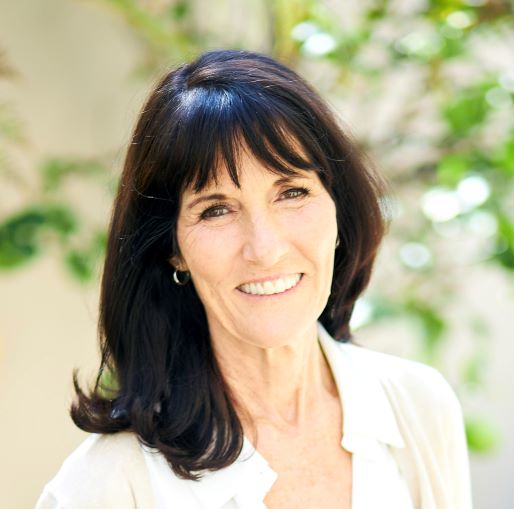
Certified Retirement Life Coach
Wendy Leggett is a Professional Certified Coach and founder of Conflux Retirement Coaching LLC, specializing in the non-financial essentials for a fulfilling and meaningful retirement. Drawing on 25 years in corporate sales leadership, she helps clients redefine identity, cultivate purpose, strengthen connections, and embrace positive aging to thrive in their next chapter. Wendy holds advanced certifications from the Retirement Project, Retirement Life Plan, Modern Elder Academy, and Positive Intelligence and is a co-author of The Retirement Collective.