Midterms Are Over. Supporting Your Student in the Semester Home Stretch with Deonne Yeager E162



Supporting your college student looks different once midterm grades are in and the semester heads into its home stretch.
Deonne Yeager is Director of Parent and Family Programs at the University of South Carolina, with 26 years in higher education. She sees the same thing every fall. Students who always made straight A's get their first big grade back, and panic sets in. Some college classes only have two or three graded assignments, so one exam carries a lot of weight.
We talked with Deonne about how parents can help from a distance, why so many students avoid their professors, and what happens when the trip home for Thanksgiving isn't realistic.
Then comes winter break. Your student has had months of freedom, picked up new opinions, and may not want the same house rules they had senior year. Deonne's advice for that first long break applies to both sides. Parents change too, and most of us don't realize it.
We share some of our own experience as well: Rick's first-semester calculus quiz, our son's law school classes that come down to one final, and the first time we had an intellectual debate with our daughter.
And if you have a high school senior opening college acceptances right now, Deonne has advice about who should be making the call.
What's in this episode:
- Why one midterm grade can rattle even high-achieving college students, and how to help them see the bigger picture
- Why the University of South Carolina schedules Family Weekend five to six weeks into the semester
- What a university parent and family office does to keep families informed
- Why students stop talking to professors, and why faculty want them to show up
- What campuses offer students who can't get home for Thanksgiving
- What to expect when your college student comes home for winter break
- When to start letting your high school senior lead the college decision
University of South Carolina Office of Parent and Family Programs https://www.sc.edu/parents/index.php
📖 Our book is here! The Loud Quiet – Love, Laughter and Life in the Empty Nest https://www.theloudquiet.com
If your student is coming home for winter break soon, come tell us how you're getting ready in our Facebook group. https://www.facebook.com/groups/theloudquiet
🎧 Find all episodes, podcast apps, and YouTube links here: https://www.theloudquiet.com
CHAPTERS
00:00 What families face after midterms
01:03 Family Weekend at the University of South Carolina
05:13 Why students struggle five weeks in
09:13 How university parent offices stay in touch
12:35 Helping your student after a bad grade
18:25 Why students avoid talking to professors
21:24 When students can't get home for Thanksgiving
23:39 Your student's first long break home
27:39 Respectful debates with your college student
30:42 Advice for parents of high school seniors
32:43 How to reach Deonne Yeager
Want to be a guest on The Loud Quiet - Empty Nest Living?
Send Rick and Clancy Denton a message on PodMatch: https://www.podmatch.com/hostdetailpreview/theloudquiethost
Disclaimer: This podcast is for informational and entertainment purposes only. The views and opinions expressed are those of the hosts and guests and should not be taken as legal, financial, or professional advice. Always consult with a qualified attorney, financial advisor, or other professional regarding your specific situation. The opinions expressed by guests are solely theirs and do not necessarily represent the views or positions of the host(s).
Rick Denton (00:00)
This week on the Loud Quiet, midterms are over. Supporting your student in the semester home stretch with Dionne Yeager.
Clancy Denton (00:07)
Guys, welcome back to the Loud Quiet. Several of us have been doing parents' weekends. If you are parents of a college student, midterms are approaching. I can't believe Thanksgiving break is around the corner and it's almost time for Christmas, which this semester is just flying by. So what should families expect for the rest of the semester?
Rick Denton (00:32)
And that's why we are so excited today to be talking with Dionne Yeager, Director of Parent and Family Programs at the University of South Carolina. Dionne has spent 26 years in higher education, and today she helps families navigate their way through the university experience, all the way from orientation, taking you all the way to those heartwarming graduation moments. Dionne, welcome to The Loud Quiet.
Deonne Yeager (01:00)
Thanks. I'm happy to be here.
Clancy Denton (01:03)
We are so so excited to talk to you. You just had your family weekend at the University of South Carolina. Tell us how that went and also what are some of the special events that your office throws for the families that weekend?
Deonne Yeager (01:19)
Sure. So our Family Weekend was a huge success this year. It is probably the second to third largest crowd that we've had in the last decade. Wow. so we were super excited that we had so many families that were here. the weather could not have been more perfect. You know, we are in the heart of South Carolina. So on a Saturday in September, it could be a hundred and ten or it could already be giving us a breezy 80.
So the weather was just perfect. and so we were super happy about that as well. we focus our office specifically on three signature events that we offer our families. one is the opportunity to interact with the president and first lady of the university. And so for a university of our size, where you're talking we have 40,000 students plus that you know, are part of our university.
To be able to meet one-on-one with the president and the first lady of the university is a huge opportunity for our families. and the president stands out in front of his house in our historic horseshoe. He smiles for photos, he interacts one-on-one with families as long as they're standing in line. He stands there even if the event ends. so they he's wonderful about doing that and he loves spending that time with our families and he answers their questions and
Like I said, poses for photos for two plus hours to meet with our families. And it's always a huge hit. And then we also offer a Friday night event for our families, and it we call it Rock the Roost, fits with our Gamecock theme of you know, the roosters and the chicken kind of concept, hosting it in our roost. but it's really just a large party. It's like a street fair, we have a live band, it's around the pool deck of our wellness center.
There's dancing, there's live music, there's lots of great food, there's drinks and everybody. It's just a great time to socialize. and then we also offer a huge tailgate for our families to come and experience that we are part of the SEC world. And so tailgating is a massive component of the culture for SEC football. So they really get to kind of experience what that's like. and for many of our families who are traveling from out of state, they've never had a football experience like this one.
so really again kind of to welcome them then that the only really big part about our family weekend outside of those that we celebrate is that our campus partners really embrace Family Weekend here at Carolina. And we offer somewhere between 75 and 100 opportunities for our families to go and engage across the campus with our campus partnerships. So different departments, academic colleges, faculties, offices, they do all kinds of little special events.
throughout the weekend for our families to come and enjoy and meet the faculty that their students are engaging with, departments that are supporting their student and they get to have these really fun one-on-one experiences. and they're really clever creative with them. So we had like cookies with cocky. So that's our mascot cocky and he comes in his mascot outfit and he serves warm cookies to the families and they love it. so just lots of fun things like that for them to really engage with the community.
Rick Denton (04:34)
All right, well I'm gonna be asking for an invitation to South Carolina
Deonne Yeager (04:38)
Okay.
Rick Denton (04:39)
family weekend next year just so that I can have cookies with cocky.
Clancy Denton (04:43)
I love those smaller events that are put on by our our daughter's college that she is in inside of her university, does their cord reception every family weekend. And so that has been so nice to get to see, you know, we got to meet her advisor this year and we hadn't met him before, but we had heard about him for the last, you know, four years. And so yeah, I love those the events that are that y'all do, you know, in conjunction with
All of the other departments.
Rick Denton (05:13)
I and that's what I'm hearing. I love that idea of it's bringing the it's the chance to bring the family into the experience in a way that they kind of maybe hear it from their student, although maybe their student's not telling them much of anything at all, but just being able to understand, hey, this is what my student is experiencing and and get to put a relationship there. This is I and we had a conversation before we hit record here about just how challenging it can be to choose the timing of family weekend. I know that the choice though is intended
That you've made it a little bit of the way through the semester so that students have already gotten into their rhythms, they've gotten their exposures. It can be a month or so after everybody's shown up to class. Now the real struggles and the real opportunities are starting to expose themselves. What are some of the the challenges that students are experiencing right now? And especially in your role, what are some of the family experiences that are showing themselves at this stage of the semester?
Deonne Yeager (06:13)
Think we're seeing that first true wave of it's not really homesick, it's really just a struggle with the whole transition. So, you know, those first days of mom and dad have gone back to home and we're here by ourselves, they feel that instant like I'm alone. And there's adrenaline and excitement, and then there's that homesickness and that fear that comes there. But now it's kind of setting in of like.
I've really made a significant life choice. And what is that? What does that look like? You know, and how does it how do I continue to kind of adapt in that? I think we're also really starting to see that first wave of our students who are struggling academically. And it's even for the students who have always excelled. So maybe they were practically or always a straight A student, and then they're here in a college environment, they're experiencing this major transition.
And they don't do so great on those first tests. Those midterms are hitting and they're starting to realize like this is not the same level of expectation that I've come from. And they're really starting to struggle and the panic is setting in. And you know, you mentioned the timing. This is why we do we aim for about five to six weeks is our goal here at the university of bringing families back for family weekend, because that's when that reality check really starts to hit a lot of our students. And just having that friendly face show up.
Whether they talk about school at all or they do all the fun things and talk about nothing serious, it's just that warm reception of having their families kind of show up when they're really starting to make that transition into the harder things that really gives them that boost to get them to the next time that they're gonna have that, you know, warm reception from family.
Rick Denton (07:54)
I'm I'm I'm smiling and I'm you may have heard me chuckle a little bit, but it's because I completely identified with that that, you know, you show up to a university campus and you typically have had some element of academic success. And I was not met with academic success in my first semester. So I felt everything. I don't think I've ever had a zero on a quiz that I actually tried for, but I had a big old goose egg on a calculus quiz. So
I can see why this is that moment to finally get that refresh, that that that that energy boost from the families showing back up.
Clancy Denton (08:29)
Yeah. And I remember, you know, when we sent our first kiddo off to college, and I know a lot of parents that are listening are in that same situation. I remember that first time that we got to go back and see him on campus. And his first family weekend was a little modified because it was during COVID year, but we still got to see him and you know, just yes, having that just physical touch and being with each other.
So, you know, your office is responsible for communications between the university and the families. What does that look like and how is the frequency, what are y'all doing to keep those lines of communication open with your families?
Deonne Yeager (09:13)
Yeah, so our office in particular, we really work strongly to get out information. We have a regular newsletter that goes out to all of our families and our parents, but we try to make sure that the topics are relevant to them. So, you know, how do you survive those first few weeks? What happens when that two weeks end and you're getting that phone call about I got a zero on my quiz or the fun has worn off and I now don't like my roommate anymore?
And how do you, you know, how do you navigate that from afar by also but also try to empower your students. So we try to make sure that our communications are linked up with what we think they're kind of experiencing in the moment, those challenges that are coming up, even some a little bit of foreshadowing. We just sent out a big thing of reminding all of our families about our academic support services on campus, all the tutoring that we offer.
It's online, it's in person, it's appointments, it's drop-in, like trying to make sure they're aware, like, you know, we're gearing in this week and next week, you know, with midterms. So when your student is panicking, remind them about all these support systems that they have and use your tools to empower them, but by taking the time to kind of dig into what we're letting you and sharing and trying to keep you in the loop about what's happening and what we're seeing in their student cycle.
Rick Denton (10:34)
That that choice of timing, I think is interesting because a family that is going through a university experience, it's new to them, but your office, this is what y'all do every single year. So I love that phrase that you said there of foreshadowing. We know that this is going to be a challenging time. So we can get ahead of that. And and Clancy and I've talked about this, that we don't remember family engagement offices being a significant part or
maybe not even at all of our university experience. Now we were the students, not the families, but that ex I really see the value in why you would have that because y'all know it. Families don't know it. So that's helpful to have kind of that guide as you go through this process.
Deonne Yeager (11:20)
I think that's that dynamic has significantly changed probably since all of us were in college. I don't really remember that being a component. I don't remember there being like a parents' weekend or a family weekend when I was in college. No. But that's not the expectation that we live in now, right? Like our families want to be connected. They want the information. They're begging us for more ways to stay connected to their student.
And so we're trying to fill that void all the time of like how do we help them feel like they have that connection, both with their student as their student is growing and changing, but also with the university. It's a it's a family investment to have your student in college. And we recognize that. So we're trying to really make sure that we're pulling all those pieces together.
Clancy Denton (12:05)
We've talked about that, how we totally parent differently than our parents did. And yes, we were not helicopter parents, but we were definitely more involved in the everyday comings and goings and school, you know, while they were growing up. So I'm sure as parents, you want that to continue into the university. And sometimes, you know, sometimes you gotta let go a little bit.
Rick Denton (12:35)
I we li we've listeners have heard us say this before. You know, it used to be that the only time you talked to your parents was on Sunday afternoon because that's when the long distance rates were cheaper. So now it's a heck of a lot different. Dionne, you said a word earlier that I want to come back to and it's midterms. Because we've talked about what the student and the family is maybe experiencing as we've gone to the family weekend, but this episode is going to be coming out
Right around that November time frame, midterms typically are in the rearview mirror for most. Same kind of question. What shifts are you s typically seeing in students as they've made it to this part of the academic calendar? And then what can families be doing at this part of the academic calendar really be supporting their students?
Deonne Yeager (13:17)
There's a few things for me that come to mind. You're making a great point. We're really in November, you're past the midterms, but that reality check is there. So typically, mentors, you know, one of the hardest transitions that I see students from high school to college experiencing is high school tends to have lots of little grade assignments. They have a quiz every week, they have a writing assignment, but in college.
You may have a class that you only have two or three total graded assignments, and that impacts your entire grade. So that midterm grade might be the first true reality check that a student has about how they're doing in a particular class. and so I think helping and the parents understanding how things are being graded, how that is gonna impact that final grade, and then helping their student make sense of that. You know, we all know what to do. You got an A, great, we're gonna celebrate.
You're on the right track, just keep doing what you're doing. But when you don't have that grade, or maybe you're you have a B, but you really want that A because your goals are gonna line up better if you can pull off that A, or maybe you're on the whole other end, you've got that F, and that's the first time you've ever seen that F on a big paper or an exam. And so many students get lost in that. Like, how am I ever gonna come back from that? How do I recover?
Everything is ruined. They can't see beyond that moment. And I think that's where our parents and our families can step in and help them to start to see it's one grade, it's one assignment, there's always a way forward, helping them navigate that. What does that look like? And I think unfortunately, it's even harder for our students who've always been very high achieving to get into that college environment and have that first bad grade. And that can be whatever way they define that.
For me, that would have been a C, that would have destroyed me. But like for some students, it's even a B. But helping them kind of navigate what that looks like and then think about it in a strategic way and don't get lost in the day. I think it's you know, I say to parents all the time, help them see the forest beyond the tree. So they're very hung up on that one thing, but help them see the bigger picture.
And how they step over that one hurdle they've now faced and keep moving forward. I think that this is also a time as you start heading into November, it's probably the first time a parent is gonna hear a conversation, a viewpoint, an opinion from their college student. And they're gonna be a little bit like, Is that my kid? because they're they're really being exposed to things, which is what you want.
For them in that experience, but you're realizing all of a sudden that, like, now they're gonna challenge me. And I think that that is, you know, I think we've all go through that as parents at some point your your kids are challenging you in every phase and stage of their life. But this one, this one's different, you know, like you're hitting that point where you're seeing them transition into that more adulthood situation. And now they're maybe challenging some family values or challenging some family strong held opinions.
And how do you navigate that in a way that allows them to continue to grow by but also continues to say, well, this is what our family values, we hear what you're learning. How do you blend those two things together so that they find their way forward where they find a dynamic that works for both pieces of the things that they're trying to make sense of at that point?
Clancy Denton (16:49)
Yeah. when you're talking about the grades and those type of things, you know, our kids, their school district didn't do finals or midterms. So they had never even taken a final until they got to college. And, you know, what we saw was the professors were really good about they really wanted them to learn the concepts and not just a sum test. So our experience has been that
It's really been a little different than when we seem to be at university, that it's more they want them to really learn and get into what they're doing versus here's a hundred multiple choice question tests that, you know, you just have to spit out the answers. I I've really, really been impressed with how it's ha it's seemed to change a little bit. And then our son, who's in law school, they have
one grade in each class and that's it. And it's your final and I was like, I'm sorry, what? That that determines your entire semester grade. So that was even another transition for him that, yeah, it's all of the semester is comes down to this one test and that's you're gonna be your grade for the class. So yeah, that was yeah, that was an interesting
It it's been interesting to see the differences in high school moving into college and I've I've really been pleased with how our kids have navigated it but also how the universities have handled it. I've I've really
Rick Denton (18:23)
Supported
it's through that, absolutely.
Deonne Yeager (18:25)
You talking about that, you made me think of something that I think a lot of students and their families struggle with this transition from high school to college. So students in there in high school and even your families, there's all these extra things, but they're very oriented around the school. So they go to the football games, but it's a it's a concrete group of people. They see their teachers there, they see that they're real people.
They interact with them, maybe their kids are even in their school classes and things. And so they have these relationships and there's not a lot of fear of like raising my hand and asking my high school teacher a question. But when they move into the college environment, a lot of times there is that fear and that intimidation of speaking to faculty, somehow calling them a faculty member instead of a teacher and putting them in this different kind of institution space.
changes how students feel about that. And then they just forget all of those skills that they've learned about how to interact with the teacher. And like we don't ask questions, we don't speak up, we don't say, we don't go to office hours and we're and I'm always like, why? And they're like, well, they're scary. Why? Because you don't see them after school. You don't see them outside of your classroom, faculty or people, and they don't just go poof at five o'clock. So I think helping students and their families sometimes understand that
just what you're saying, Clancy, like the faculty want those relationships just like they had before. They want them to be successful. It bothers them to fail students. They never want that. So like why are we putting that barrier there ourselves? And I I say that to Paris all the time. Faculty want them to succeed. Don't be afraid for the student to go and have a conversation.
Clancy Denton (20:11)
I'm so glad you restated that that yeah, 'cause I think that's an important part that we've never really touched on. And so I'm glad that that's
Rick Denton (20:20)
And I'm and I'm thinking about it from my own experience. It probably wasn't until I can't remember if it was a junior or senior year that there was a faculty in residence and she was living in one of the dorms and invited a group of us to come over to her place. And walking into what was a s effectively her home, suddenly you realize, my gosh, this is an actual human with an actual home. And I'm like
Man, why did I wait till my junior year to actually realize this? So an on an office like yours and a university like yours that is encouraging that
Deonne Yeager (20:53)
That's
actually one of South Carolina's signature programs out of our office is we run a program called Dinner Dialogues where all our university one hundred faculty are given money from the university to host students in their home for like a casual dinner interaction. and we usually have, you know, two to three thousand students that get to participate in that every fall and spring semester. That's great. It's a fancy.
Clancy Denton (21:17)
I love
Or I'll
Deonne Yeager (21:23)
Right.
Clancy Denton (21:24)
I'll major in something that, you know, like social media or something like that. No, that's great. I love that. And you know, so we're talking about this episode will come out in November, which Thanksgiving break falls in November. And, you know, for most schools, they get Thanksgiving Day and Friday. They don't necessarily get a week off or, you know, an extended cell holiday.
How do you handle the kids who can't go home and and support their families if they're not able to make it? You know, if they live across the country, it may just not work for them to go home for those two days.
Deonne Yeager (22:07)
Yeah, I think that that's more common than people realize, especially an institution as big as the one I'm working at. and there's a lot of programming that actually happens on the campus here. Thanksgiving meals opportunities. I know many of our faculty offer to host students, especially international students, yes who who may not even be able to go home at that winter break either. and so they host them for that.
family meal, that traditional kind of American family meal. And it it's such a wonderful experience, both for the students, but what I hear all the time is that the faculty love it as well because it gives them a chance to have those relationships that they want. and so I think that's a very common thing. And a lot of schools are really focusing on that time of like how do we support this greater picture? Because it is more and more common for students to be greater distances from home.
And those breaks, the travel expenses are just too great for them to make multiple trips throughout the year. and so there is a a renewed effort and you know, what's happening on the campus and that you don't walk around on a holiday and it's just, you know, completely no one, which would on this campus would feel odd. If I walked out of I my office is in the hub of campus, it's in the student union. If I walked out of my office space and I didn't see a student, I would feel like, what has happened?
Clancy Denton (23:30)
Yeah.
Deonne Yeager (23:31)
Like did I miss a memo about something because it's just bizarre to go anywhere on the campus and not run into students.
Rick Denton (23:39)
That's the situation of the Thanksgiving break where many can't make it home. Typically, and and you pointed out so that this is not a guarantee, but typically most students will find their way home over the winter break. What's your guidance to families, especially families of freshmen? Being prepared and handling that first long break home well.
Deonne Yeager (24:05)
Grace is the biggest word that I would say.
Clancy Denton (24:09)
I think we've used that.
Deonne Yeager (24:11)
I tell students as well, like give your give your parents and your family some grace because they haven't lived what you've been living. but also for parents, like have some grace. Don't expect everything to go right back to how it was, you know, six months prior. It's not. They're not the same person that you dropped off in August.
You're not the same family dynamic. So whether you've become an empty Nester because it was the last one out of the house, or there's other children still there, everybody's lives have continued on at home. So both people, both sides of that equation are going to be experiencing what does that feel like? How do I navigate that? you know, I see families, it's like especially when there is younger siblings, they go home, they realize like, well, I've missed some key events.
For my sibling that I never would have missed otherwise. Yeah. I wouldn't have missed my little sister's homecoming. I wouldn't have missed this had I been here. And so then there's also their experiencing what that feels like of like, am I really still a part of the family? Yeah. But there's also that dynamic now you have to remember they've been in call college for six months and they've had all this freedom. And I I know there's a million ways that our families and our parents are keeping up with their kids. I hear about life 360 on a
daily basis. But you
Clancy Denton (25:31)
But
Deonne Yeager (25:33)
still are not, you know, living it with them. Right. So you know where they are because they're a dot on the map. You know if they've made it back to their residence hall for the evening. But what were they doing in between and all those things? Who did they talk to? Who are they interacting? Where are they going? You don't really quite know all those little details that you probably knew before. And now they expect them to come back into your household and follow all the rules that they followed when they were a senior in high school is
probably gonna create some tension and frustration on both sides. and then, you know, I mentioned before, like you're, you know, those big conversations that you start having, it usually starts popping up in November, but it definitely escalates when they come home for that longer break. Seeing the
Clancy Denton (26:16)
Mm.
Deonne Yeager (26:17)
growth and the change and realizing like, my goodness, they have a whole new opinion or a whole new viewpoint that I wasn't anticipating.
Or they've been exposed to something that they've never seen before. And now they have feelings about that. and trying to help them, you know, balance all of that and make it okay by also still remembering that you have values you want them to carry. So it's it really follows on those parents and those families to help find that balance there of like this is what college is about growing, expanding, learning, and creating your core.
Of who you want to be, what your values are, and how you balance that with the way that you were raised with also what you're learning and digesting in a new environment. And everybody just has to kind of step back and realize no one is the same as they were in August. And I think I say to parents all the time, you don't realize that you've also changed. And so, you know, you think, it's just them.
Everything is about them, but it's not. You've also changed because them not being in your day-to-day has impacted you. And so making sure everybody's just a little bit more aware, a little bit more thoughtful and sensitive to all of that, and lots of grace.
Clancy Denton (27:39)
I I think that's great advice. And we were just listening to an episode. It was actually recorded right after our daughter's first parents' weekend freshman year. And we were talking about on that episode, my gosh, she's like r really interested in what she's studying and talking about it and has opinions. And I mean, over the past four years, I think in her we've seen so much growth and change and
new thoughts and opinions that yeah, and and we embrace it, we love it, we, you know, welcome it. But I I I really do like your advice of, you know, be sensitive on both sides and have grace on both sides because there are going to be some things that your eyes may widen a little bit when they say, but just hear them out and listen and, you know, let them have their opinions.
Rick Denton (28:32)
Yeah, what we got to experience with our daughter, and I imagine that families that navigate this well experience hopefully they experience the same thing is while she might have had opinions and thoughts and ideas that may be different or stretching where our value set was, she was able to articulate it without just kind of a stamping feet, folding arms, just an expression of a phrase.
where we could have an intellectual debate with her. The first time that I had an intellectual debate with our daughter, and our son to some degree too, it it really opened your eyes to what the university experience has done to expand their minds.
Deonne Yeager (29:08)
Yeah. Yes, absolutely. I I actually remember I think it was maybe my sophomore year, but in my family dynamic, I am the youngest by far of all of the cousins. and so many of them had already graduated college on in their professional careers. Well, I'm here I am much younger in the college environment. And I remember debating with one of my cousins who's about 15 years older than me. And he looked at me and he's like, wow.
You really aren't the same person that I talked to last summer. And I was like, wow, thanks. Like it was like the greatest compliment to me that he saw that growth. But he had always looked at me as like a child, a little girl, because there was such an age gap. And then it was like all of a sudden I was doing exactly what you were describing, an intellectual debate with him and saying, Well, this is why I think this and this is what I learned. And it really made me stop and pause about that. And he's like, Wow, I'm I
You're you're looking a full grown adult now. and it was such a compliment. But I think that's the things that you know, we just all struggle with like how do we balance that and how do we let our kids do that in a healthy way and then teach them, you know, like you you got these new ideas, let's talk about it in a healthy, concrete way. and and let's be honest, that's a hard thing that's just happening in our world and our culture right now. having hard conversations in a respectful manner. And so I you know.
I think that's such a wonderful thing to hear. You guys are like, let's let's talk about it and let's do it in a right in the right, respectful manner so that we both walk away good.
Clancy Denton (30:42)
Dionne, is there any other like big piece of advice? You know, this is also the type of year now that the seniors in high school are starting to get their acceptances. What would you tell those parents that are about to enter this phase of getting ready for the next, you know, few months of looking at colleges and, you know, deciding where they're going? What what piece of advice would you give those parents?
Deonne Yeager (31:11)
This is the best time to start letting your student lead the way. And I think that that is so hard for so many parents, but that first decision of now we've got five college acceptances. Where do I go to school? What do I choose as my major? All of those things, this is the best time to start truly letting them lead the way, letting them make decisions.
And supporting it, whether it's, you know, of course there's always dynamics. Can the family afford it, make good decisions financially, what everybody's involved in, but at the same time where you can let them take those risks and those chances and lead the direction that they're going, this is the time to start practicing that and start letting them lead the way because when they get into college.
They're gonna be leading the way whether you like it or not. And you're gonna hit that environment where the college administration is going, hey, we're not gonna talk to you about what's going on. Your student has to do it. So this is the time to start really practicing the skill set. So by the time they roll around to August, both sides, both your student and you as the family and the parents feel ready.
to let them take that big step by themselves because you know along the way you've been giving them authority in their decision making for their future and letting them lead the family the way they want to go. and it's just this is the time to start. Start it now. Don't wait until you're dropping them off in August August. Yeah. Because it's gonna be hard for everybody.
Clancy Denton (32:43)
This has been so good, filled with great advice and nuggets of wisdom. Dionne, tell our listeners where they can find you and at South Carolina.
Deonne Yeager (32:53)
Sure. So you I am the director of parent and family programs at the University of South Carolina and I'm pretty easy to find on our website. And anybody is welcome to reach out to me in my email or call me on the phone. I work in a very small department, so if you call the phone for our office, I'm probably gonna be the one that answers that. So but I'm happy to talk to people and guide. I actually this is what I love about my work is helping people feel confident and supporting their students.
Rick Denton (33:22)
Right. This episode has I I'm thinking about from where we started with talking about family weekend. And I'm I'm thinking about the things that you described, the very specific ac activities and the events that are there to draw the family into the university, help them understand the university. Then we got into all the discussion about how watching your kid grow and and amplifying their growth and their intellectual ability to engage in a topic. And then even just that talking about
helping families realize, hey, you gotta start letting go. It's the theme of what these family engagement offices. Again, I I stress it again. I wish we had these. So Dionne, what you have taught us, what you've taught our listeners today has been so valuable. Thank you for being on the Loud Quiet.
Deonne Yeager (34:09)
Thank you for having me. I have loved every minute of talking with you guys today.
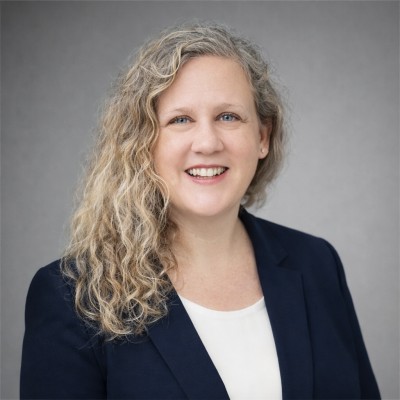
Director of Parent and Family Programs
With 25 years of higher education leadership experience, Deonne currently serves students and their families through her work in Parent & Family Programs at the University of South Carolina. A student-centered, strategic, and collaborative leader, Deonne has also served as Assistant Vice President/ Dean of Students at Hawai‘i Pacific University and Assistant Vice Chancellor for Student Development at the University of South Carolina Beaufort. Her experience spans housing, student activities, fraternity and sorority life, student conduct, Title IX, and behavioral intervention. Throughout her career, Deonne has served a range of institutions, from private liberal arts colleges to growing public universities, which provides her a broad perspective on the college experiences for students and families.